
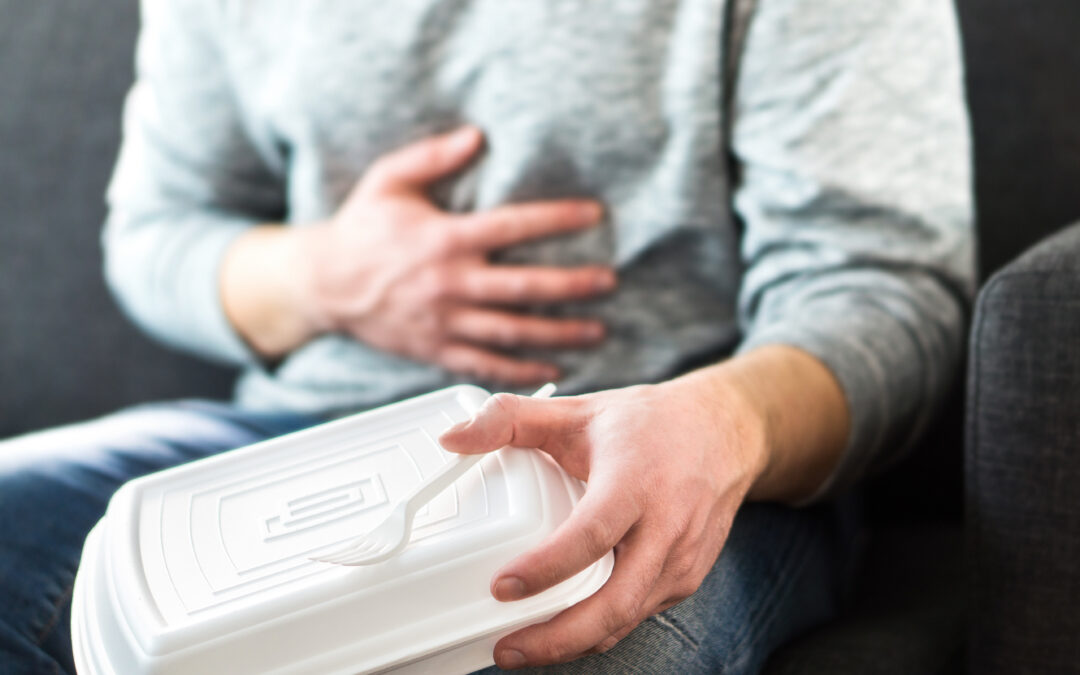
Whether you’re enjoying a home-cooked meal, grabbing takeout or attending a weekend gathering in Cleveland, food is often part of the fun. But when food isn’t stored, prepared or handled properly, that delicious meal can leave you feeling anything but great.
Food poisoning is more common than many people realize, and symptoms can range from mild stomach discomfort to severe illness. Knowing what causes foodborne illness, how to recognize the warning signs and when to seek care at AFC Cleveland can help you protect yourself and your family.
What Causes Food Poisoning?
Food poisoning occurs when you eat or drink something contaminated with harmful germs, such as bacteria, viruses or parasites. Contamination can happen at several points, including during food production, preparation, storage or handling. Some of the most common causes include:
- Undercooked meat and seafood: Raw or undercooked poultry, beef, pork and seafood can contain harmful bacteria or parasites.
- Improper food storage: Leaving perishable foods at room temperature for too long can allow bacteria to multiply.
- Cross-contamination: Using the same cutting board or utensils for raw meat and ready-to-eat foods can spread harmful germs.
- Unwashed produce: Fruits and vegetables can carry germs if they aren’t washed properly.
- Contaminated water: Drinking untreated or contaminated water can expose you to bacteria, viruses and parasites.
Food poisoning can happen at home or while eating out, so safe food-handling habits are important wherever meals are prepared.
What Are the Most Common Symptoms of Food Poisoning?
Symptoms can vary depending on the germ responsible for the illness. Some people begin feeling sick within a few hours, while others may not notice symptoms for several days. Common signs of food poisoning include:
- Nausea and vomiting
- Stomach cramps or abdominal pain
- Diarrhea
- Fever
- Headache
- General weakness or fatigue
Most mild cases improve with time and supportive care. However, persistent vomiting or diarrhea can lead to dehydration, which may become a more serious concern.
How Can You Prevent Food Poisoning?
The good news is that many cases of food poisoning can be prevented with a few everyday precautions. Whether you’re preparing dinner at home or bringing a dish to a gathering, keep these food-safety habits in mind.
Wash your hands and surfaces. Wash your hands with soap and water before preparing food, after handling raw meat and before eating. Clean countertops, cutting boards and utensils regularly.
Keep raw foods separate. Use separate cutting boards and utensils for raw meat, poultry and seafood. Keep raw foods away from ready-to-eat items to prevent cross-contamination.
Cook foods to safe temperatures. Use a food thermometer to make sure meat, poultry, seafood and other foods reach their recommended internal temperatures. Color alone isn’t a reliable way to tell whether food is fully cooked.
Refrigerate leftovers promptly. Perishable foods should be refrigerated within two hours of preparation or serving, or within one hour when temperatures are above 90 degrees Fahrenheit. Keep your refrigerator at 40 degrees Fahrenheit or below.
Wash fresh produce. Rinse fruits and vegetables under running water before eating or preparing them, even if you plan to peel them. These simple steps can make a big difference in reducing your risk of foodborne illness.
When Should You Seek Medical Care for Food Poisoning?
An upset stomach after a meal doesn’t always mean you need medical attention. However, certain symptoms can signal a more serious infection or dehydration.
Consider visiting AFC Cleveland if you’re experiencing persistent vomiting, diarrhea that isn’t improving, a fever that concerns you or stomach pain that feels unusually severe. You should also seek medical evaluation if you’re unable to keep fluids down or are noticing signs of dehydration, such as:
- Dark-colored urine or urinating less than usual
- Dry mouth and increased thirst
- Dizziness, especially when standing
- Unusual weakness or fatigue
Certain people may be more vulnerable to complications from food poisoning, including young children, older adults, pregnant individuals and people with weakened immune systems. These groups should be especially cautious about worsening symptoms.
Seek emergency medical attention for severe symptoms such as bloody diarrhea, severe abdominal pain, confusion, fainting or signs of severe dehydration.
How Can AFC Cleveland Help?
Food poisoning can quickly interrupt your routine, especially when symptoms make it difficult to eat, drink or keep up with everyday activities. If you’re dealing with persistent stomach symptoms, AFC Cleveland can evaluate your condition and help determine whether additional testing or treatment is appropriate. Depending on your symptoms, an AFC provider may assess you for dehydration and discuss the best next steps for recovery.
Don’t ignore symptoms that are getting worse or aren’t improving as expected. Getting evaluated can help you understand what’s going on and when additional care may be necessary. Food poisoning isn’t always preventable, but practicing safe food preparation, proper storage and good hygiene can significantly reduce your risk. If an unexpected stomach illness leaves you feeling miserable, pay attention to your symptoms and don’t hesitate to seek care when needed. AFC Cleveland is here to help you get answers and determine the right next steps toward feeling better.