
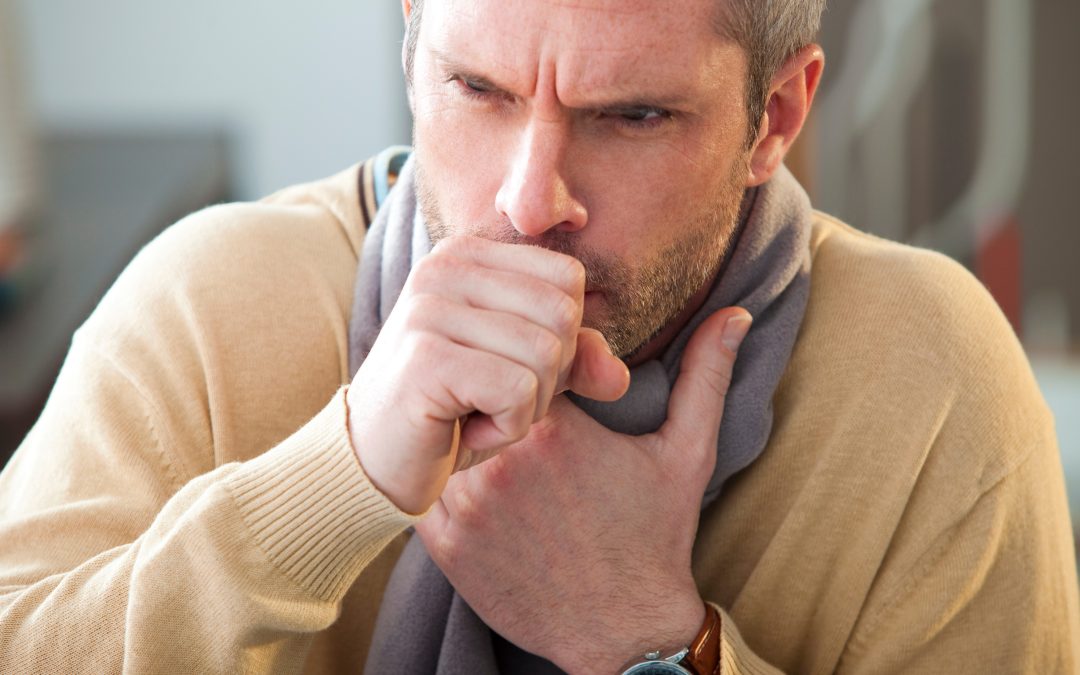
Why are my lungs burning?
Encountering a burning sensation in your lungs can be worrisome, especially when accompanied by breathing difficulties or a persistent cough. While engaging in rigorous workouts in chilly weather is a common trigger, it’s crucial to acknowledge that this sensation might indicate an underlying issue, such as bronchitis.
What causes the burning sensation?
The burning sensation in your lungs can stem from a variety of sources, each demanding careful consideration. Let’s break down the potential causes:
Respiratory Infections:
Bronchitis or Pneumonia: Persistent dry cough, difficulty breathing, fatigue, low-grade fever, chest pain, and wheezing may accompany the burning sensation.
Gastroesophageal Reflux Disease (GERD):
Acid Reflux: Stomach acid backing up into the esophagus can trigger a burning sensation in the lungs, often exacerbated by lying down or bending over.
Respiratory Conditions:
Asthma: Inflammation and narrowing of airways can lead to chest tightness, shortness of breath, and a burning feeling.
Environmental Factors:
Inhalation of Irritants: Exposure to smoke or chemical fumes can irritate lung tissues, causing discomfort and a burning sensation.
Cardiovascular Issues:
Pulmonary Embolism: Blood clots in the lungs can result in a burning sensation, accompanied by sharp chest pain, shortness of breath, and rapid heart rate.
Understanding these potential causes is crucial for identifying the root of the issue. Whether it’s a respiratory infection, acid reflux, asthma, exposure to irritants, or a cardiovascular concern, recognizing the specific cause empowers you to take targeted steps for relief and optimal respiratory health. If symptoms persist or worsen, seeking medical attention ensures a comprehensive evaluation and tailored intervention for a swift recovery.
Could It Be Bronchitis?
Bronchitis, a widespread respiratory infection, manifests with distinct symptoms, necessitating timely recognition for intervention. While a persistent dry cough is a hallmark, the presence of a burning sensation in the lungs emphasizes the potential severity of the condition. Key indicators include:
Persistent Dry Cough:
The primary symptom of bronchitis, a persistent, hacking cough, may produce minimal or no mucus, persisting for weeks and intensifying at night.
Difficulty Breathing:
Bronchitis obstructs the normal airflow, causing breathlessness. Individuals may feel short of breath, struggling even during rest periods.
Fatigue and General Unwellness:
Beyond respiratory symptoms, bronchitis induces fatigue, weakness, and body aches, contributing to overall discomfort.
Low-Grade Fever:
A subtle body temperature elevation, around 100-101°F, accompanies bronchitis, reflecting the body’s response to infection and inflammation.
Chest Pain and Wheezing:
Discomfort in the chest, with aching or tightness, along with audible wheezing, signals narrowed airways and increased resistance to airflow.
Understanding these symptoms is crucial for distinguishing bronchitis from other respiratory conditions and seeking timely medical attention. While viral infections often cause bronchitis, bacterial infections or irritants can contribute. Early diagnosis and management alleviate symptoms, prevent complications, and expedite recovery. If suspicion arises or symptoms persist, consulting a healthcare professional is crucial for a thorough evaluation and a tailored treatment plan.
Managing Bronchitis at Home
While seeking medical advice is paramount, several home remedies can assist in alleviating the burning sensation and associated symptoms:
- Stay Hydrated: Consume ample fluids, particularly water, to thin mucus and maintain airway lubrication.
- Nourish Your Body: Adopt a healthy diet rich in fruits, vegetables, and whole grains to bolster the immune system.
- Soothe Your Throat: Gargle with warm salt water to alleviate a sore throat and ease the burning sensation.
- Rest and Recuperate: Prioritize sufficient rest to allow your body to heal effectively.
- Manage Pain: Utilize over-the-counter pain relievers like ibuprofen or acetaminophen to alleviate chest discomfort.
- Moisturize the Air: Employ a cool-mist humidifier to introduce moisture into the air, facilitating easier breathing.
Understanding the potential causes of a burning sensation in your lungs and recognizing bronchitis symptoms enables proactive management for a swifter recovery.
When should I seek help in Cleveland, TN?
For residents of Cleveland, TN, understanding the triggers behind a burning sensation in your lungs is paramount, especially in a community surrounded by the scenic landscapes of the Tennessee Valley. Whether you’re exploring the great outdoors or enjoying the local charm, being attuned to potential causes such as respiratory infections, environmental irritants, or even cardiovascular concerns is essential. If you are experiencing persistent or worsening symptoms, visit AFC Urgent Care Cleveland for guidance and aid in your road to recovery.